Sri Lanka’s elephants are a national treasure and a global symbol of biodiversity. Yet, every year hundreds of elephants are killed due to shrinking habitats, blocked corridors, and conflict with humans. These gentle giants, once roaming freely across the island, are now struggling for survival.
Protecting elephants is not only about saving a species, it is about preserving Sri Lanka’s cultural heritage, ecological balance, and global responsibility.

Historical Background
Sri Lanka’s elephants have long been part of the island’s identity. During the British colonial period, elephants were hunted in large numbers by colonial officers and big game hunters. Records show that elephant populations were decimated by organized hunting, drastically reducing their numbers and weakening natural herds.

Current Situation
Today, Sri Lanka faces one of the highest Human–Elephant Conflict (HEC) rates in the world. Every year:
Hundreds of elephants are killed due to retaliation, accidents, and habitat loss.
Dozens of human lives are lost, with many more injured.
Expanding roads, settlements, and farms block natural elephant corridors.

Farmers & the Agricultural
For farmers, elephants are both a cultural treasure and a daily challenge.
Crops are destroyed overnight, wiping out months of hard work.
Families lose income and food security.
Fear of night raids keeps rural communities on constant alert.
In frustration, some resort to lethal measures — worsening the cycle of conflict.
The human cost of HEC is real, but so is the loss to elephants when people retaliate. This is why coexistence must be the goal.
Our Commitment: Protect Elephant Mini Program
Through the WHY Super App, we introduce Protect Elephant — a pioneering initiative to safeguard elephants using cutting-edge technology:
High-Resolution Satellite Imagery to monitor elephant herds in real time.
AI & Machine Learning to identify elephants, predict their movements, and protect natural corridors.
Community Alerts to prevent dangerous encounters, keeping elephants safe from retaliation.
Policy Tools to guide sustainable land-use and ensure future generations can witness elephants in the wild.
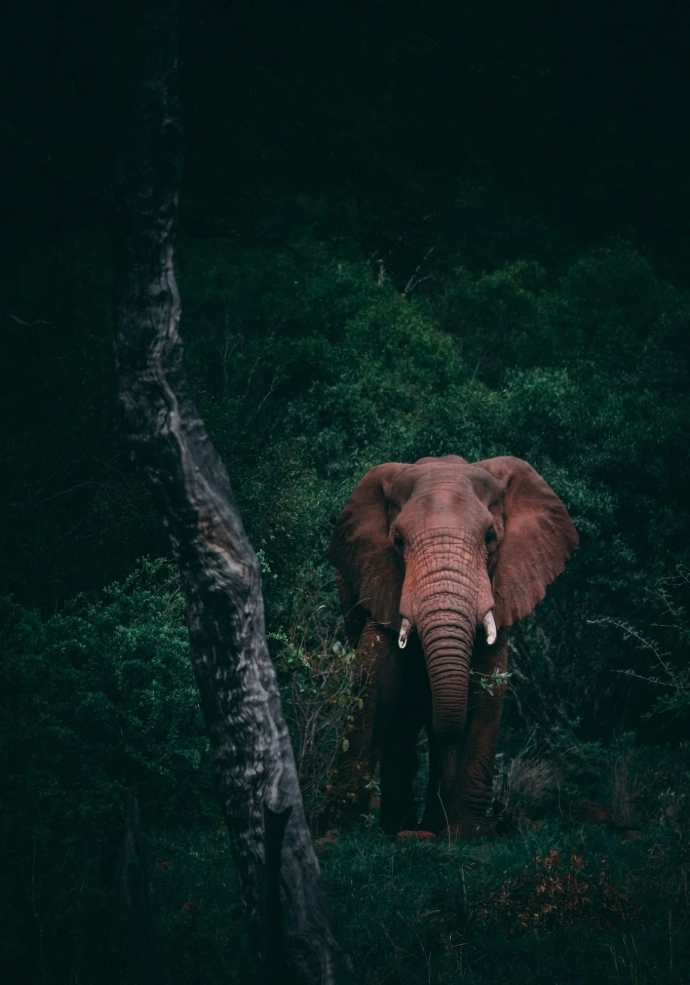
Global Solutions & Case Studies
Around the world, countries have explored innovative ways to reduce Human–Elephant Conflict:
Kenya & Tanzania: Use of GPS collars and satellite tracking to monitor herds and create “virtual fences.”
India: Community-based early warning systems with SMS alerts and AI-powered detection of elephant movements.
Botswana: Non-lethal deterrents such as beehive fences to protect crops while keeping elephants safe.
Thailand: Drone and camera-based monitoring systems combined with local ranger patrols.
These case studies prove that technology and community action together can save elephants while protecting people.
More Details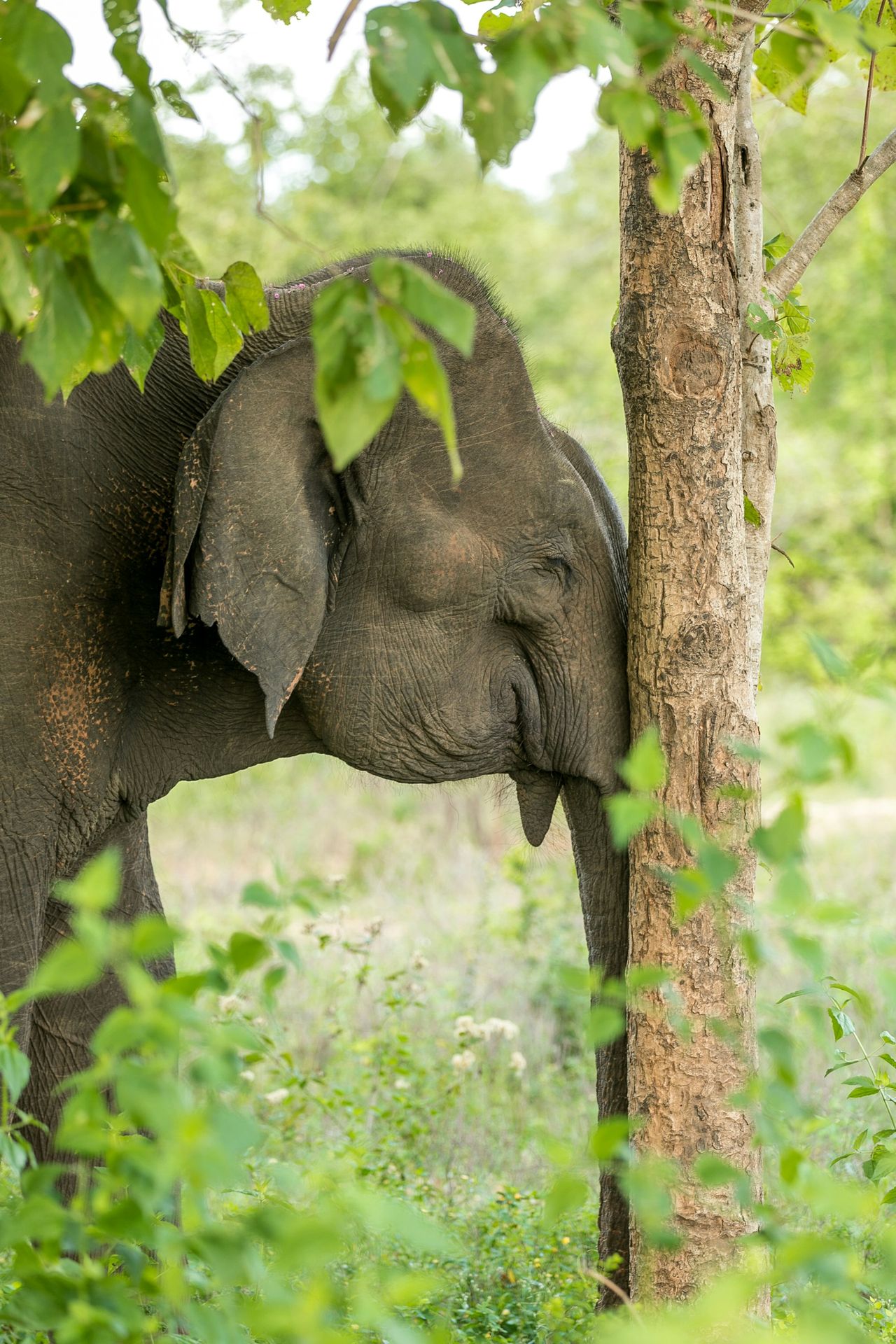
How We Protect Elephants
Satellite imagery and AI spot elephant herds and track their journeys.
Mapping shows the ancient migration paths that must remain safe from deforestation and development.
Farmers and villagers receive alerts to avoid accidental encounters, reducing the risk of harm to elephants.
Data-driven dashboards help authorities protect elephant habitats while planning agriculture, roads, and settlements.