Deforestation & Environmental Monitoring
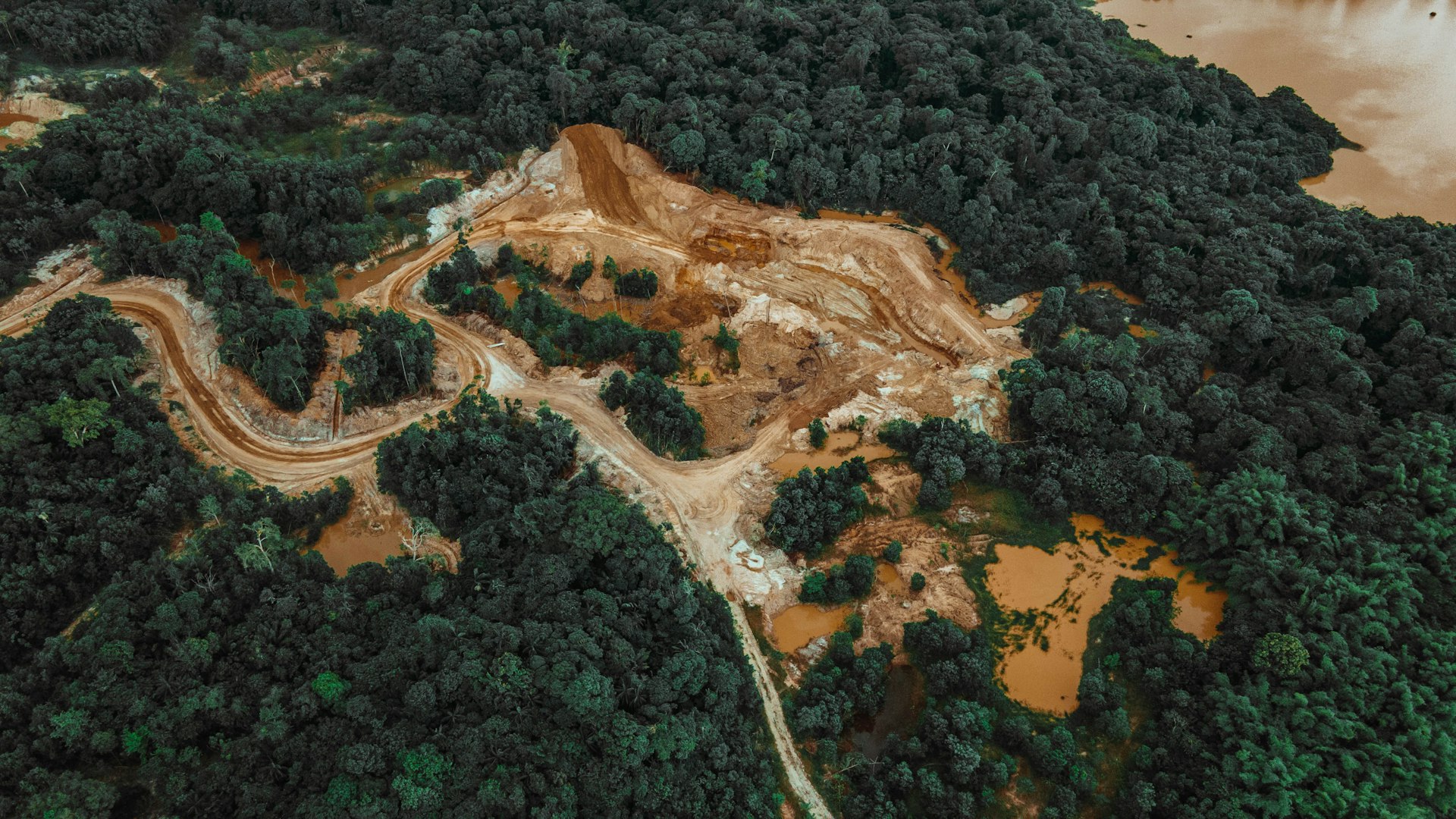
Sri Lanka faces critical challenges from deforestation, land degradation, and climate change. Unchecked forest loss impacts water security, biodiversity, and farmer livelihoods. Traditional monitoring methods are slow, fragmented, and reactive. Our WHY Super App ecosystem, powered by AI and satellite intelligence, transforms environmental monitoring into a real-time, proactive, and community-driven system.
Our Monitoring Framework

Satellite-Linked Intelligence
- High-resolution satellite data tracks forest cover, land-use changes, and illegal clearing.
- AI models detect anomalies (e.g., sudden loss of canopy cover, encroachment into protected zones).
- Integrated with the Sri Lanka National AI Data Pool to overlay deforestation data with rainfall, river basins, biodiversity, and disaster zones

AI-Powered Analytics
- Deforestation Risk Alerts: AI predicts hotspots by combining weather, land ownership, and activity trends.
- Carbon & Sustainability Score: Each region is assigned an impact score, linked to UN SDG and carbon credit panels.
- Climate Resilience Dashboards: Integrated with crop demand forecasts, soil health data, and drought/flood alerts
Ground + Community Inputs
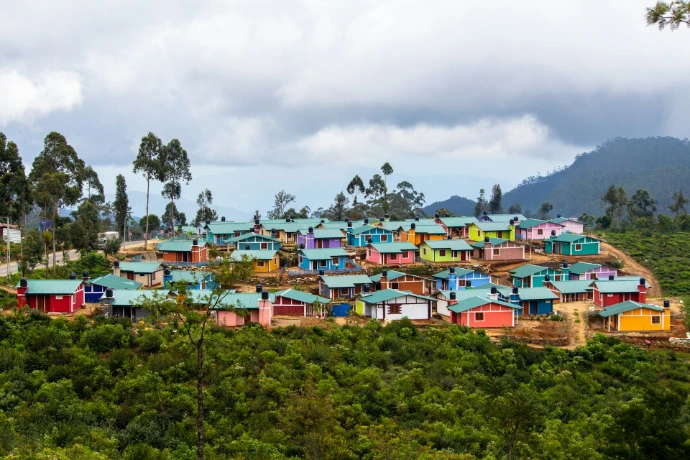
- Community members use the Problem Solver Mini-App to report illegal logging, fires, or land misuse (via voice, photo, GPS). These reports are AI-classified and escalated to GS/DS-level admins.
- Agricultural organizations mini-app validates if land, fertilizer, or water allocations are being misused or diverted to deforestation.
- Admin dashboards display geo-analytics heatmaps for flagged areas and enable policy enforcement in real-time.
Response & Solution Layer
- DS/District/National Admins get automated alerts with location-based compliance dashboards.
- Integrated regulatory enforcement modules can block subsidies, revoke permits, or trigger field audits for violators
Instead of only penalizing, the system recommends alternatives:
Community reforestation projects auto-generated via the Project Builder Mini-App.
Agroforestry and sustainable land-use models suggested by AI advisors.
Citizens can track project proposals, budgets, and outcomes, ensuring transparency and trust.
- Verified forest protection data feeds into carbon credit markets and sustainability reporting dashboards, enabling Sri Lanka to access new funding streams.
- Farmers and communities gain incentives for compliance through subsidies, marketplace access, and international certifications (organic, sustainable sourcing).